
Search Connecticut Bench Warrants
Connecticut bench warrants are court orders that authorize law enforcement to arrest individuals who have failed to appear for scheduled court hearings or violated terms of their probation in Connecticut. The Connecticut Judicial Branch maintains these warrant records, and certain warrant information is accessible to the public through official channels. You can search for bench warrant information using the PRAWN system, Connecticut court case lookup tools, and other state resources. This guide explains how to find active warrants in Connecticut, understand warrant types like FTA and VOP warrants, and work with Connecticut courts and state marshals to resolve warrant matters properly.
What Are Bench Warrants in Connecticut
A bench warrant is a court order issued by a Connecticut judge. It tells police to arrest someone who did not show up for court. The name comes from the bench where the judge sits. When a person misses a court date, the Connecticut judge can issue this warrant right away. It stays active until the person is caught or the judge cancels it. In Connecticut, these bench warrants are common in both criminal and civil cases. A warrant search can help you find out if someone has an active warrant.
The most common reason for a bench warrant in Connecticut is failure to appear. This is called an FTA warrant. It happens when someone misses a scheduled court hearing in Connecticut. The judge issues the warrant during the session. Police then try to find the person and bring them to court. These warrants do not go away on their own. The person must face the Connecticut court to clear the warrant matter. A warrant lookup can show if an FTA warrant exists.
Another type of warrant is the violation of probation warrant. This is called a VOP warrant in Connecticut. It is issued when someone breaks the rules of their probation. The probation officer files a report with the Connecticut court. The judge reviews it and may issue a warrant. The person is then arrested and brought back to court. The Connecticut court will decide what happens next with their warrant case. Understanding warrant types helps you know what to expect.
The Connecticut Judicial Branch provides public access to some warrant information through its online systems. Visit jud.ct.gov to access case lookup services and court resources for warrant searches in Connecticut. This is the best way to start a warrant search.
You can view the Judicial Branch homepage to access Connecticut court services and warrant search tools.
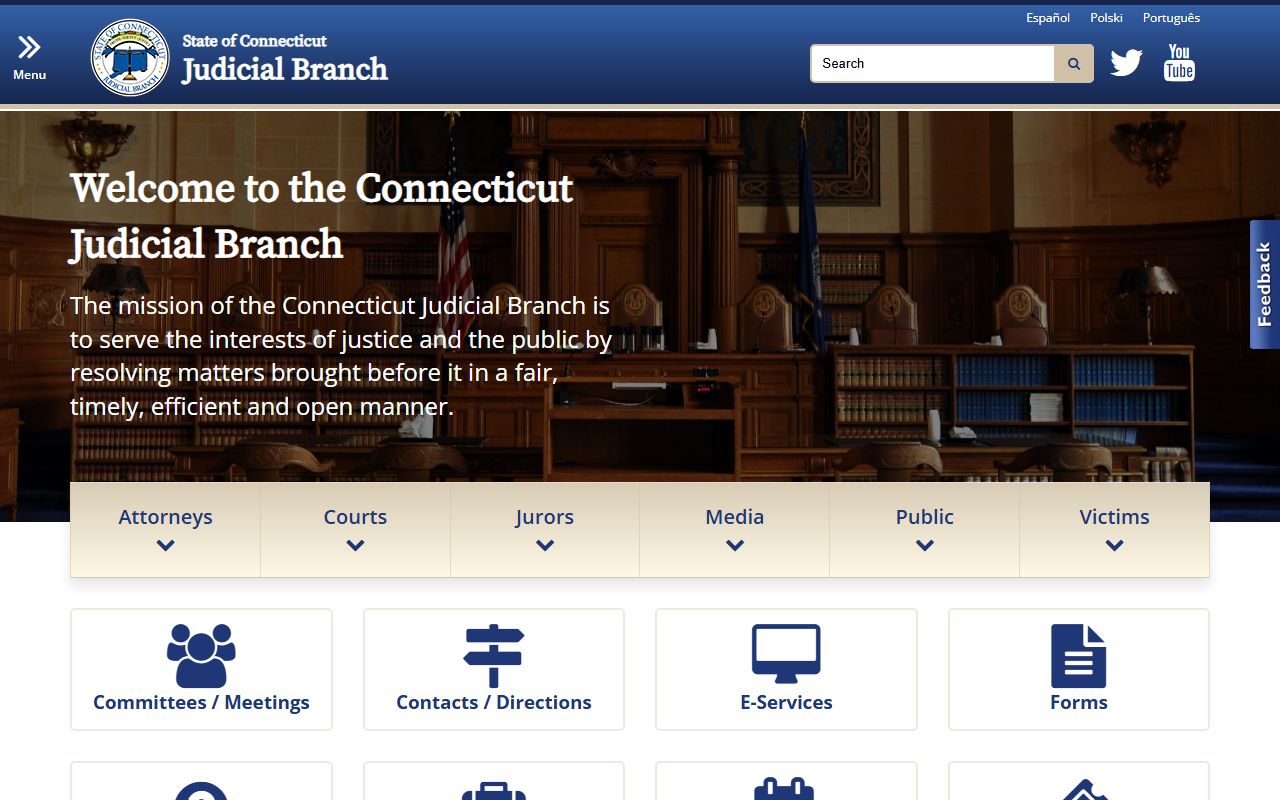
The Connecticut Judicial Branch website offers multiple ways to search for case information and warrant status in state courts.
How to Search Connecticut Bench Warrants
There are several ways to check for bench warrants in Connecticut. The state offers both online and in-person options for warrant searches. Each warrant search method has its own steps. Some warrant lookups in Connecticut are free. Others may have fees. The best choice depends on what warrant information you need to find. A thorough warrant search should include multiple sources.
The PRAWN system is the main tool for warrant searches in Connecticut. PRAWN stands for Paperless Arrest Warrant Network. It lets you search for outstanding arrest warrants by name. You can also search by town or court location in Connecticut. This system covers violation of probation warrants. It is run by the Connecticut Judicial Branch. The warrant search is open to the public. Visit jud.ct.gov to access PRAWN and other Connecticut court services. This is an effective warrant lookup tool.
Case lookup is another way to find warrant information in Connecticut. The Judicial Branch has an online case lookup system for warrant searches. You can search cases by party name or case number. This shows if a Connecticut case has a warrant attached to it. Not all warrants show up in this system. Some are only in the court file. For full warrant details, you may need to visit the courthouse in person. A complete warrant search uses both online and in-person methods.
You can also search in person at any Connecticut courthouse. Go to the clerk's office during business hours. Bring valid photo ID. Ask to check for active warrants. The staff can search their system. They can tell you if a warrant exists. They cannot give legal advice. They can only provide public warrant record information for Connecticut cases. This type of warrant lookup is often the most accurate.
For criminal history checks in Connecticut, contact the State Police Bureau of Identification. They are at 1111 Country Club Road in Middletown. Their phone number is (860) 685-8480. They handle requests for full criminal records. This includes arrests and active warrants. There is a fee for this service. You must fill out a request form. This warrant search option provides comprehensive results.
Note: Online warrant searches may not show all active warrants in Connecticut, as some are only in local court systems. Always verify warrant information through official channels.
Connecticut Warrant Types and Definitions
Connecticut uses several types of warrants. Each warrant has a different purpose. It helps to know the terms when searching for records. The words are often used in Connecticut court documents and online warrant systems. Knowing warrant types makes your warrant search more effective.
Here are the main warrant types in Connecticut:
- Bench Warrant: Issued by a Connecticut judge when someone fails to appear in court
- Failure to Appear (FTA): A warrant for missing a scheduled court hearing
- Violation of Probation (VOP): A warrant issued when probation terms are broken
- Order to Incarcerate (OTI): An order to deliver someone to a correctional facility
- Arrest Warrant: Issued based on probable cause that a crime was committed
A bench warrant is broad. It covers many reasons for arrest. The Connecticut judge issues it from the bench. It can be for missing court. It can also be for breaking court rules. The warrant stays open until the person is brought in. The judge must recall it to close the warrant. This is the most common type of warrant found in a warrant lookup.
Failure to appear is specific. It means the person did not come to Connecticut court when told. This can be for arraignment. It can be for trial. It can be for sentencing. Each missed date can bring a new charge. The FTA warrant adds to the original case. FTA warrants are common results in any warrant search.
VOP warrants are for probation issues in Connecticut. Probation has strict rules. Breaking them brings serious results. The probation officer files a violation report. The Connecticut judge reads it. If there is cause, the warrant is issued. The person goes back to court. They may face jail time on the warrant. VOP warrants require immediate attention.
You can view statistics on failure to appear warrants through the Connecticut Judicial Branch statistics page.
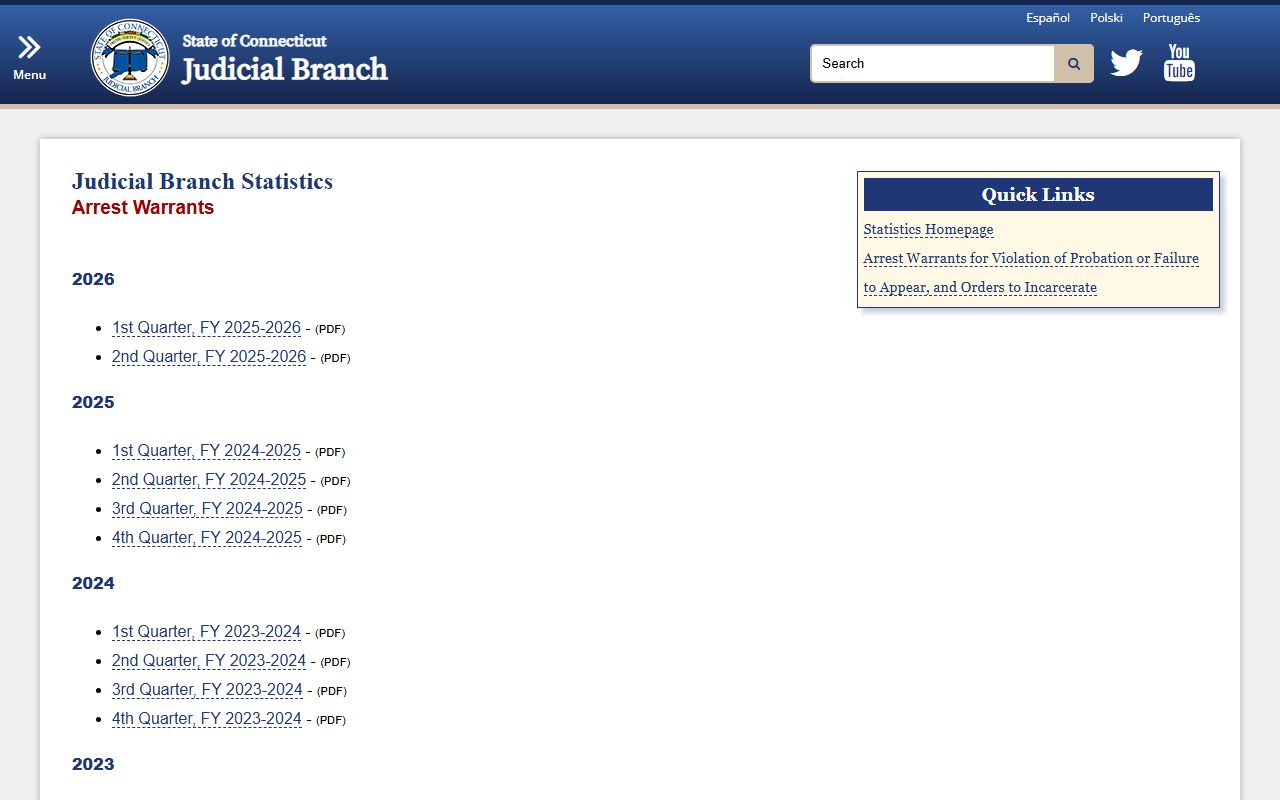
The statistics page provides quarterly reports on failure to appear and violation of probation warrant trends in Connecticut.
Court Locations for Warrant Searches
Connecticut has courts in every county. Each court handles cases from its area. To search for warrants, you need to know which court has the case. The state has several court types. Criminal cases go to Connecticut Superior Court. Some matters are in Housing Court or Family Court. Different courts may have different warrant records.
The main courts for criminal and warrant matters are the Superior Courts in Connecticut. These are spread across the state. Each county has at least one courthouse. Major cities have their own courthouses. Smaller towns share facilities. The court where the case was filed keeps the warrant records. This is where you should start your warrant lookup.
You can find a full list of Connecticut courthouses on the Judicial Branch website. The directory shows all locations. It includes addresses and phone numbers. It also lists hours of operation for courts. This helps you plan your visit to a Connecticut courthouse. You can see which courts handle criminal warrant cases. Knowing the right court makes your warrant search faster.
Connecticut Court Service Centers are also available. They help people who do not have lawyers. Staff can explain court processes. They can help you find case information. They cannot give legal advice. They can guide you to the right resources. There are centers in many courthouses. They can help with your warrant lookup.
The Connecticut Judicial Branch provides a comprehensive courthouse directory for all state court locations.
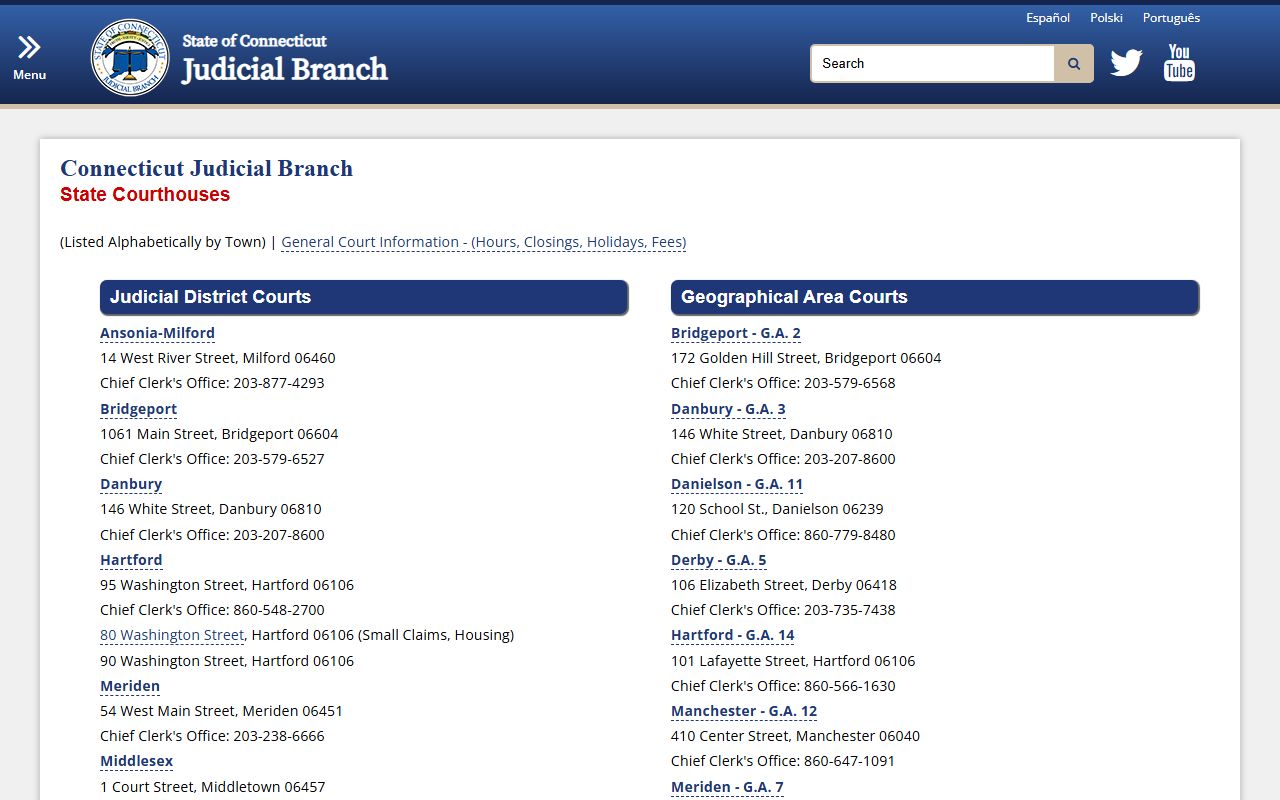
Use the courthouse directory to find the specific court handling a case or warrant in your area.
When visiting a court in Connecticut, bring identification. Security screening is required at all locations. Do not bring weapons or prohibited items. Plan to arrive early at the courthouse. Court business can take time. Parking varies by location. Some courts have nearby garages. Others have street parking. Being prepared helps your warrant search go smoothly.
PRAWN System and Online Access
PRAWN is a key tool for warrant searches in Connecticut. It stands for Paperless Arrest Warrant Network. The system handles many warrants electronically. It covers violation of probation warrants. It helps Connecticut courts and law enforcement work together. The public can use parts of this system too. This makes warrant lookup easier for everyone.
The PRAWN system lets you search for outstanding warrants. You can search warrants by a person's name. You can search by town. You can search by Connecticut court location. This helps narrow down warrant results. The system shows active VOP warrants. It is updated regularly. Warrant results are current as of the last update. This is a reliable warrant search method.
Toby Padegenis manages the PRAWN program for Connecticut. You can contact him with questions about warrants. His email is Toby.Padegenis@jud.ct.gov. His phone number is 877-312-7807. He can help with system issues. He can explain how PRAWN works for warrant searches. He cannot give case-specific legal advice about your warrant. But he can help with technical warrant lookup questions.
The system has limits. Not all warrants are in PRAWN. Some newer Connecticut warrants may not appear yet. Some older warrants may be archived. The system is a tool, not a complete warrant record. For full certainty, check with the Connecticut court directly. A clerk can search the full court database for warrants. This ensures your warrant search is complete.
Besides PRAWN, the Judicial Branch has other online services for warrants. The Connecticut case lookup system is one. The E-Services portal is another. These let you view case details. You can see court dates. You can see charges. You can sometimes see warrant status. Create an account for full access to warrant information. Some features need registration. These tools expand your warrant search options.
Court Service Centers offer help with online warrant tools in Connecticut. Staff can show you how to use PRAWN for warrant searches. They can explain what the warrant results mean. They can guide you to other resources. Visit a center in person for help. Centers are located in many courthouses. They are valuable for anyone doing a warrant lookup.
You can access information about Court Service Centers for assistance with online warrant searches.
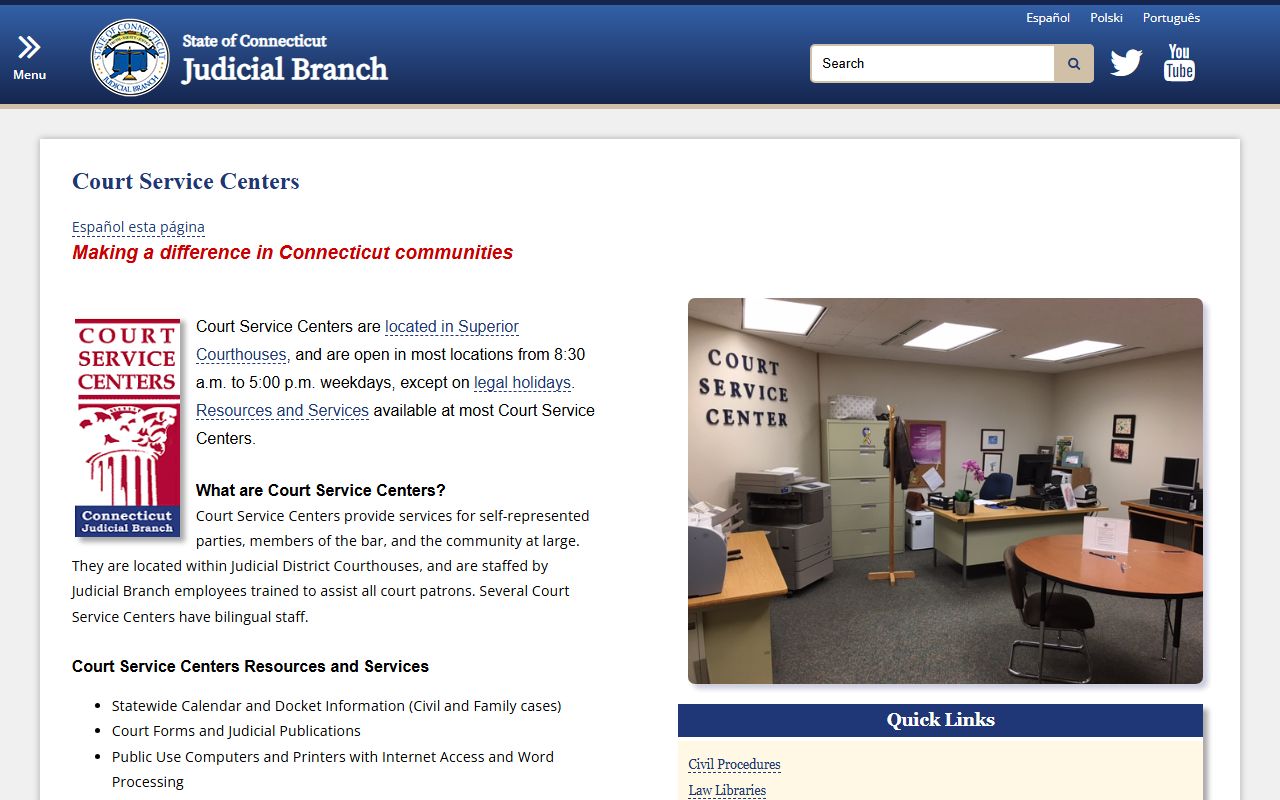
Court Service Centers offer in-person assistance for people searching warrant records and navigating Connecticut court systems.
Working With State Marshals
State Marshals serve warrants in Connecticut. They are not police officers. They are sworn officers of the court. They handle civil and criminal matters. They arrest people with bench warrants. They also serve papers and enforce Connecticut court orders. Understanding their role helps when dealing with warrants. They play a key part in the warrant process.
When a bench warrant is issued, Connecticut State Marshals may be assigned to serve it. They locate the person named in the warrant. They make the arrest on the warrant. They bring the person to court. This warrant process follows strict rules. Marshals must follow state laws. They must respect individual rights when serving warrants. Their work ensures warrants are executed properly.
If you have a warrant in Connecticut, you can contact a State Marshal. You can arrange to turn yourself in on the warrant. This often looks better to the court. It shows you are taking responsibility for the warrant. The marshal can explain the warrant process. They can tell you what to expect with the warrant. They cannot give legal advice. They can explain the warrant service process. This helps you understand your warrant situation.
The Connecticut Department of Correction also has a role in warrants. Their Parole Fugitive Investigations unit handles some warrant matters. They focus on people who violate parole. Their phone number is (203) 937-2400. They work with State Marshals and local police. They help track people with active warrants in Connecticut. This coordination helps resolve warrant cases.
State Marshals have jurisdiction throughout Connecticut. They can serve warrants in any county. They work with local law enforcement. They coordinate warrant arrests. They transport people to court. They ensure warrants are executed properly. Their statewide authority makes warrant service efficient.
Note: State Marshals enforce court orders but cannot provide legal advice about your case or warrant status.
Legal Resources and Assistance
Finding a warrant can be stressful. You may need legal help for your warrant in Connecticut. There are resources for people who need it. Some services are free. Others charge fees. Knowing where to turn helps you handle the warrant situation. Getting help early can prevent warrant complications.
The Connecticut Judicial Branch provides laws and court rules online. You can read the statutes that apply to warrants. You can learn about court procedures for warrants. This helps you understand your rights regarding warrants. Visit jud.ct.gov/stat_rules_orders.htm for Connecticut laws, rules, and court orders. The site has official publications. It is updated when Connecticut laws change. This knowledge helps with any warrant matter.
Legal aid services help people with low income. They offer free or low-cost help for warrants. They can explain warrant issues. They can represent you in court on your warrant. Eligibility depends on your income. Contact Connecticut Legal Services for more information. They have offices across the state. This support is vital for resolving warrant problems.
The State Bar Association can help you find a lawyer for your warrant. They have referral services for attorneys. They can connect you with lawyers who handle criminal cases and warrants. Some offer free first meetings. Others charge a small fee for consultation. This helps you find the right lawyer for your warrant case. Good legal help can resolve your warrant favorably.
You can access laws and court rules through the Connecticut Judicial Branch website.
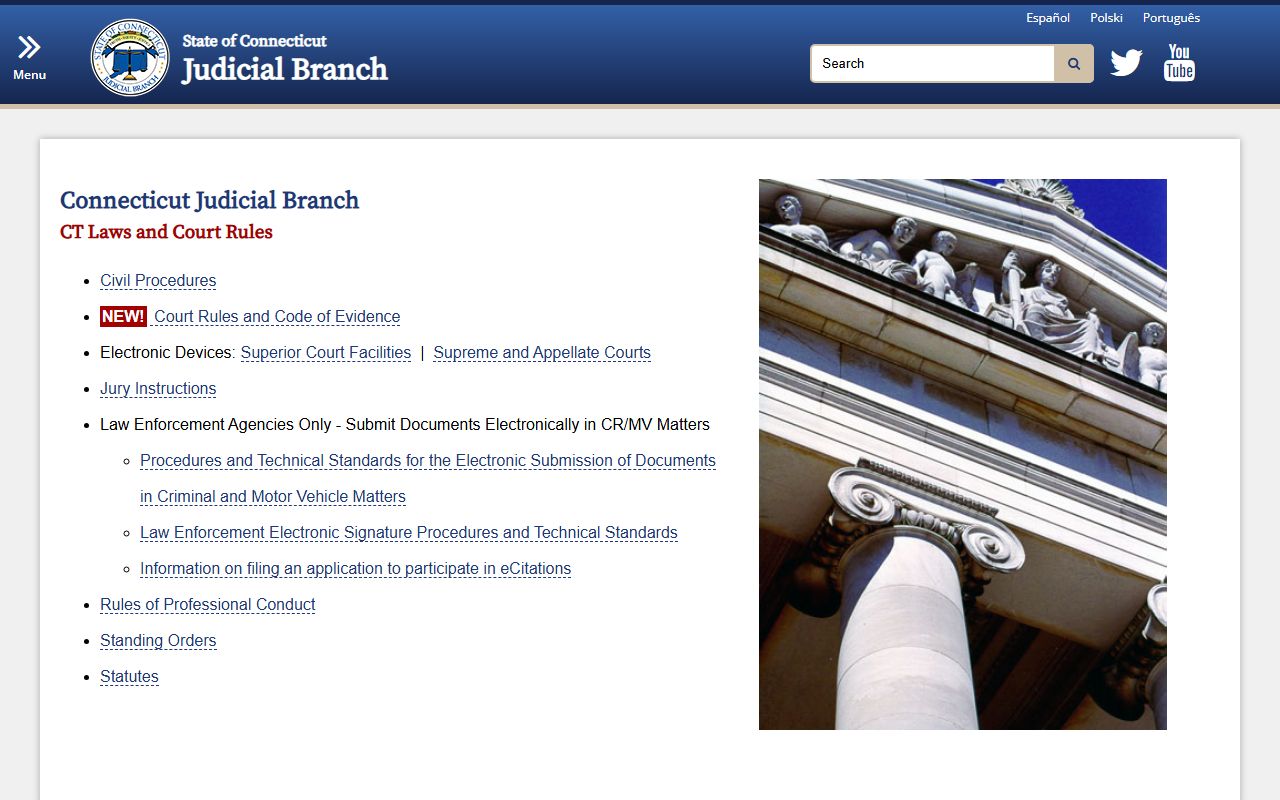
The laws and rules page provides access to Connecticut General Statutes and court procedures relevant to warrants.
Court Service Centers offer help for self-represented people. Staff can explain forms and processes for warrants. They can help you understand court dates. They can show you how to check warrant status. Visit jud.ct.gov/csc for Connecticut locations and hours. Centers are in many courthouses. They provide practical warrant assistance.
Probation questions have specific resources. The Adult Probation FAQ page answers common questions. It explains what to do if you violate probation. It tells you how to report to your officer. It covers travel and other rules. Visit jud.ct.gov/faq/adultprob.html for this information. This can help prevent VOP warrants.
You can find answers to common probation questions through the Connecticut Judicial Branch Adult Probation FAQ page.
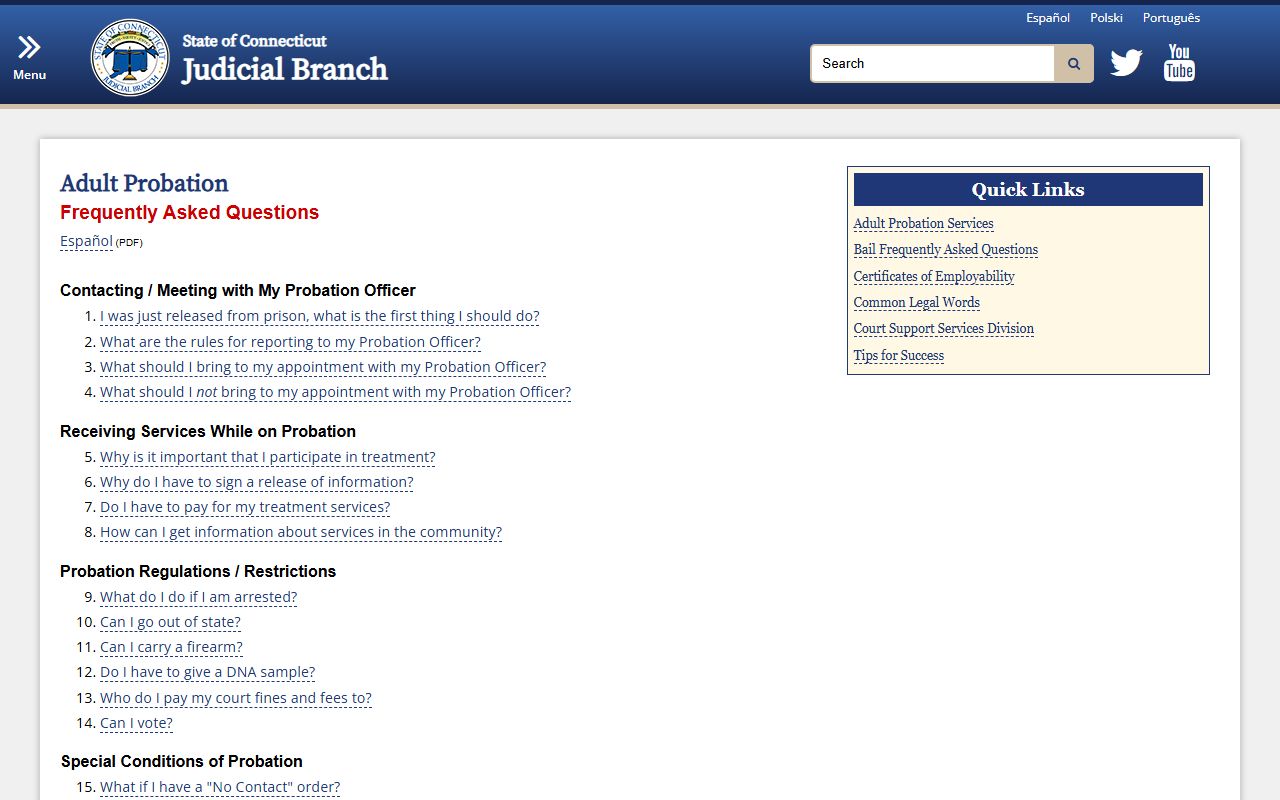
The Adult Probation FAQ provides guidance on warrant issues related to probation violations and compliance.
Remember that this site is not a government agency. We provide information for reference only about Connecticut warrants. For official warrant status, always verify with the Connecticut Judicial Branch or law enforcement directly. A proper warrant search requires using official sources.
Browse Connecticut Bench Warrants by County
Select a county below to find local bench warrant resources.
Bench Warrants in Major Connecticut Cities
Select a city to learn about bench warrant searches in that area.